- /
- Blog
- /
- The True Cost of “Doing It All Yourself” in a Staging Business
The True Cost of “Doing It All Yourself” in a Staging Business

The True Cost of “Doing It All Yourself” in a Staging Business
When many staging businesses first start out, doing everything yourself feels like the smart move.
You source the furniture.
You store it.
You move it.
You track it.
You fix it when something breaks.
At the beginning, it feels manageable — even empowering. But as your business grows, that same DIY approach often becomes the very thing holding you back.
Over the years, we’ve worked alongside countless stagers, and one pattern comes up again and again: the real cost of doing it all yourself isn’t just financial — it’s operational, emotional, and strategic.
Let’s talk about what that actually looks like.
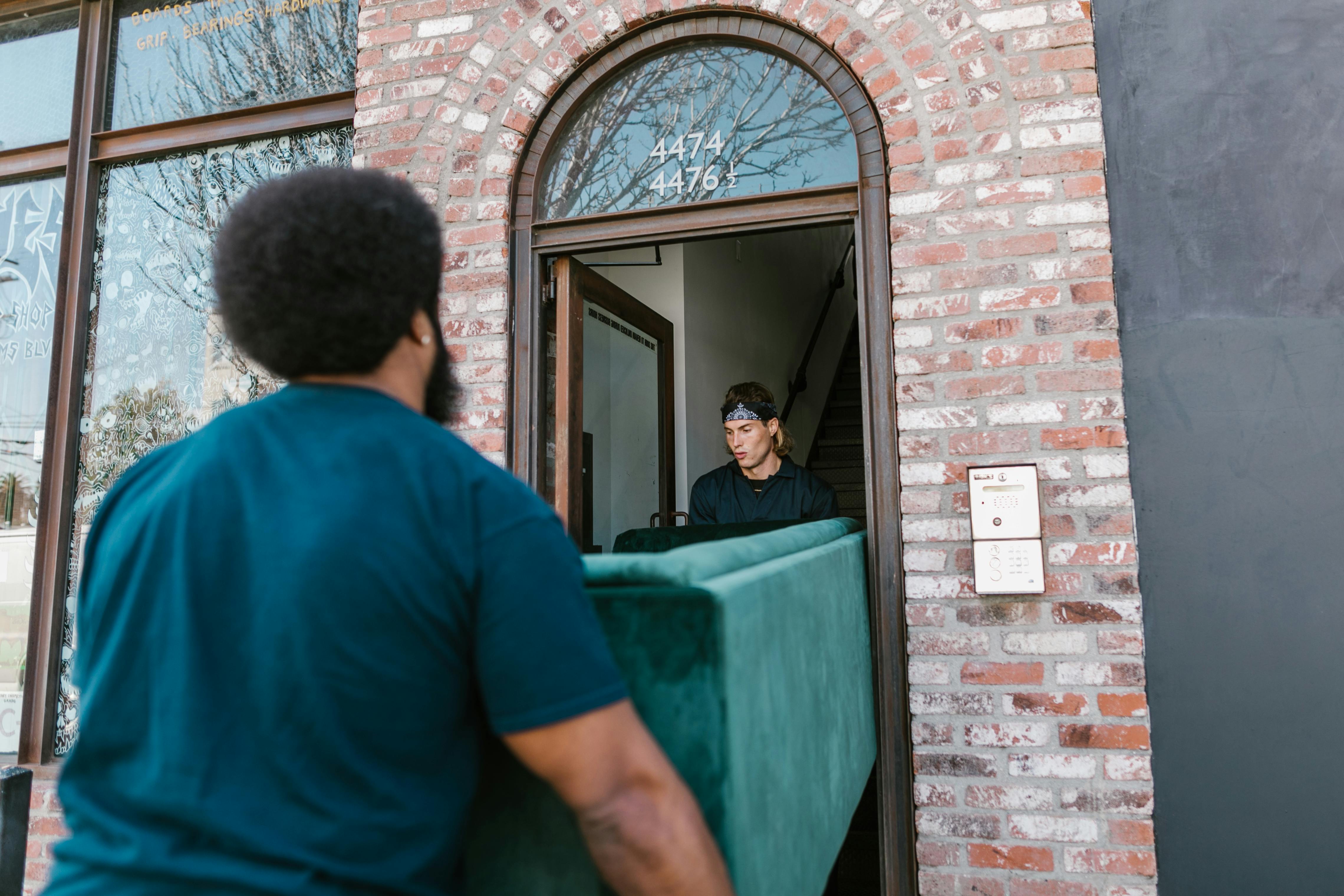
1. Time Becomes Your Most Expensive Resource
Stagers are designers at heart. Your value lies in vision, creativity, and understanding how buyers move through a space.
But when you’re:
- Driving back and forth to storage units
- Loading and unloading furniture
- Managing inventory manually
- Coordinating pickups, drop-offs, and repairs
You’re spending hours on tasks that don’t generate revenue — and that don’t require your expertise.
The hidden cost: fewer projects, longer turnaround times, and limited capacity to grow.

2. Storage Slowly Turns Into a Bottleneck
What starts as “temporary storage” often turns into:
- Overcrowded units
- Damaged furniture
- Lost or forgotten inventory
- Constant reshuffling to access the right pieces
We’ve seen incredibly successful stagers stuck simply because their storage setup couldn’t support the volume of work they were capable of taking on.
The hidden cost: missed opportunities during busy seasons and unnecessary stress during already tight timelines.

3. Burnout Creeps In Quietly
Doing it all yourself doesn’t usually feel overwhelming overnight. It builds slowly.
Late nights.
Rushed installs.
Physical strain.
Mental load.
Many stagers don’t realize how much energy is being drained by logistics until creativity starts to feel heavy — or joy in the work begins to fade.
The hidden cost: burnout that limits not just growth, but longevity in the business.
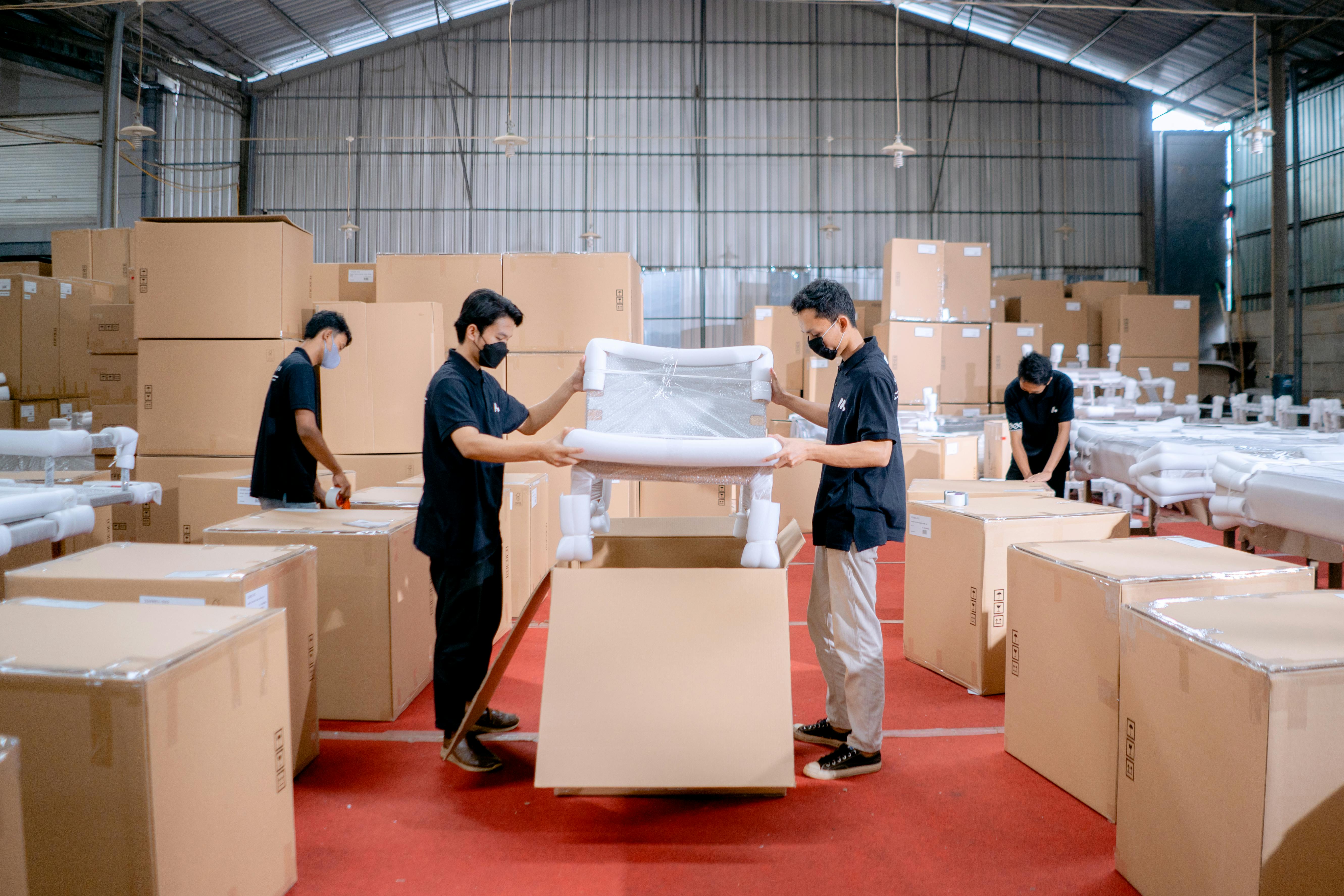
4. Inventory Becomes a Liability Instead of an Asset
Furniture is meant to work for you — not against you.
Without proper storage, tracking, and maintenance, inventory can quickly become:
- Damaged
- Underutilized
- Costly to replace
- Difficult to scale
What should be a competitive advantage starts to feel like a constant problem to solve.
The hidden cost: money tied up in assets that aren’t performing at their full potential.

5. Growth Gets Delayed — or Stalls Completely
Many stagers assume growth comes from more hustle. In reality, it often comes from better systems.
When you’re managing every moving part yourself, growth requires more of you — more time, more effort, more exhaustion.
That’s not scalable.
The hidden cost: staying smaller than you want to be, longer than you need to.

A Smarter Way Forward
The most successful staging businesses we see aren’t necessarily working harder — they’re working smarter.
They outsource what slows them down.
They build systems that support growth.
They protect their time, energy, and inventory.
Whether it’s managed storage, furniture rental, or operational support, the goal is the same: free yourself to focus on what you do best.